


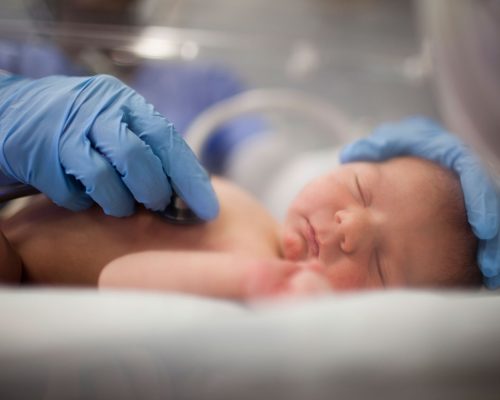



Infant positioners are critical in the NICU, helping newborns maintain safe and supportive postures. Proper positioning can aid in respiratory function, reduce stress, and improve overall developmental outcomes. However, these devices come into frequent contact with delicate skin, bodily fluids, and medical equipment, making cleaning and maintenance essential. Effective hygiene practices not only prevent infections but also ensure the positioners maintain their shape and effectiveness over time.
Why Cleaning and Maintenance Matter in the NICU
Infants in the NICU are highly vulnerable to infections because their immune systems are not fully developed. Contaminated positioners can harbor bacteria, viruses, and fungi, posing significant health risks.
Cleaning and maintenance contribute to:
- Reducing the risk of healthcare-associated infections
- Ensuring safe and consistent positioning for infants
- Extending the usable lifespan of the devices
- Supporting compliance with hospital hygiene protocols
Regular attention to these items is as important as cleaning incubators and other life-support equipment.
Understanding Infant Positioners
Positioners can be made from foam, medical-grade silicone, or fabric-covered materials. Each material type has unique cleaning requirements. When selecting a positioner, consider the infant’s medical condition, the risk of skin irritation, and the cleaning requirements. Products with removable covers or materials that withstand hospital-grade disinfectants are often easier to maintain without compromising hygiene.
Cleaning Guidelines for NICU Positioners
Routine Cleaning
Routine cleaning should occur after each use or at least once daily. For fabric-covered positioners, remove the cover and launder according to the manufacturer’s instructions using hospital-approved detergents.
For solid foam or silicone positioners, wipe down all surfaces with approved disinfectants. Ensure all fluid residues and surface contaminants are thoroughly removed.
Proper routine cleaning helps maintain a safe environment while reducing the spread of infection.
Deep Cleaning and Disinfection
Deep cleaning should occur periodically, based on the hospital’s infection control policies.
For fabric covers, refer to the instructions for use for cleaning instructions. Silicone positioners may require submersion in disinfectant solutions or the use of UV sterilization devices when recommended.
Pay attention to seams, creases, and hard-to-reach areas where bacteria may accumulate. Allow all disinfectants to completely rinse away to prevent skin irritation in infants.
Handling Stains and Contaminants
Blood, formula, or other bodily fluids should be treated immediately to prevent staining and bacterial growth. Refer to the instructions for use for each product for cleaning instructions. Avoid harsh chemicals that may damage the materials.
Drying and Storage
Positioners must be completely dry before use. Residual moisture can encourage mold and bacteria growth, which poses serious infection risks.
Store positioners in clean, dry environments away from sunlight and heat sources. Avoid stacking heavy items on top of foam supports, as this can deform their shape and reduce effectiveness.
Maintenance for Longevity
Inspection and Replacement
Regular inspection is critical to identify signs of wear, tears, or compression in foam. Covers should be checked for rips, loose seams, or other damage that may compromise safety.
Replace any worn or damaged parts promptly. Maintaining proper shape ensures that the positioners continue to provide optimal support for infants.
Training and Protocols
NICU staff should receive training on proper cleaning techniques, handling, and storage. Hospitals should maintain clear documentation of cleaning schedules and replacement cycles.
Training ensures consistency and reinforces the importance of hygiene and proper maintenance, which directly impacts infant safety.
Integration With Other NICU Equipment
Positioners must be compatible with other medical devices such as incubators, radiant warmers, and monitoring equipment. Cleaned and properly maintained positioners reduce the risk of contamination of surrounding surfaces and devices.
Applications in the NICU
Infant positioners are used in multiple care scenarios, including:
- Supporting preterm infants in optimal sleeping positions
- Stabilizing infants during feeding
- Helping infants maintain proper posture during respiratory therapy
- Providing comfort and support during minimally invasive procedures
By maintaining clean and functional positioners, NICU staff can confidently support infants in all these scenarios without compromising safety or hygiene.
Keep Your Infant Positioning Aids in the Best Shape
Proper cleaning and maintenance of infant positioning aids are critical components of NICU care. By following manufacturer guidelines, hospital protocols, and best practices, staff can reduce infection risks, extend product life, and ensure infants receive the best support possible. Regular inspection, thorough cleaning, and careful storage make a significant difference in both infant outcomes and the overall efficiency of NICU operations.Contact us today for more information about our developmental care products.